






Planning an adventure in the Peruvian Andes is exciting, especially when your itinerary includes the spectacular Ausangate Trek. This high-altitude route takes travelers through remote mountain landscapes, glacial peaks, traditional Andean communities and extraordinary scenery near Cusco.
However, before starting this adventure, there is one important question you should answer:
Does your travel insurance actually cover the Ausangate Trek?
Not every standard travel insurance policy automatically covers high-altitude trekking. Some policies establish maximum elevation limits, exclude certain adventure activities or impose special conditions for emergency medical treatment and evacuation.
This is particularly important when planning a multi-day trek in a remote mountain region, where access to medical facilities and transportation can be more complicated than in a city.
In this guide, Huillca Expedition explains what to check before purchasing travel insurance for the Ausangate Trek, which questions to ask your insurer and how to prepare for unexpected situations in the mountains.
1. Why Do You Need Travel Insurance for the Ausangate Trek?
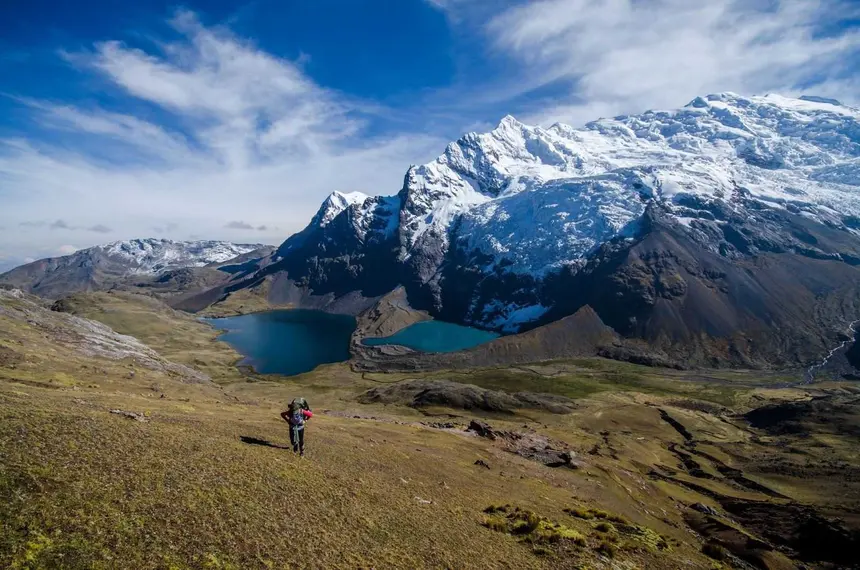
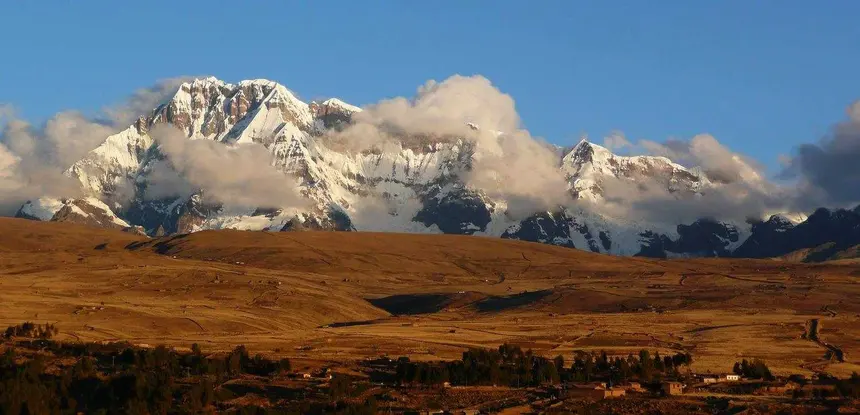
The Ausangate region is one of the most impressive trekking destinations in southern Peru. Located in the Vilcanota mountain range, the area includes high mountain passes, remote campsites, glacial landscapes and routes that can exceed 5,000 meters above sea level.
Trekking at these elevations involves conditions that are different from ordinary sightseeing.
Some potential challenges include:
-
Acute mountain sickness and other altitude-related conditions.
-
Slips, falls or injuries on uneven mountain trails.
-
Cold temperatures and rapidly changing weather.
-
Physical exhaustion during long hiking days.
-
Limited access to medical facilities.
-
Difficult transportation from remote locations.
Travel insurance cannot prevent these situations, but an appropriate policy may help cover eligible medical expenses and emergency transportation, depending on its terms and conditions.
The important point is to select a policy that specifically covers the activities and elevations included in your itinerary.
2. Does Standard Travel Insurance Cover High-Altitude Trekking?
The answer depends on the insurance provider, the policy you purchase and the exact activity you plan to undertake.
Some basic travel insurance policies include ordinary hiking or recreational walking but impose restrictions on high-altitude activities. Other policies offer additional adventure-sports coverage or different elevation limits.
For example, World Nomads publishes activity-specific guidance that asks travelers to select the appropriate hiking or mountaineering activity and declare the elevation they expect to reach. Its coverage information also distinguishes between different plans and activities.
This demonstrates why you should never assume that a policy covering ordinary hiking automatically covers every high-altitude trek. World Nomads activity coverage.
Before purchasing insurance, verify these details:
-
Is trekking covered?
-
Is high-altitude trekking included?
-
What is the maximum covered elevation?
-
Does the policy cover multi-day trekking?
-
Are guided trekking activities included?
-
Is emergency medical transportation covered?
-
Are search and rescue services included?
-
Are there exclusions for remote mountain environments?
A policy may cover hiking up to a certain elevation but exclude mountaineering, technical climbing or activities requiring specialized equipment.
Important: Coverage rules differ between countries, insurers and policy versions. Always read the policy documents that apply to your residence and purchase date.
3. What Is the Maximum Altitude Covered by Travel Insurance?
One of the most important details to verify is the maximum elevation permitted by your policy.
Some insurers divide outdoor activities into categories according to altitude. A policy might cover hiking up to 3,000 meters, while another option may provide coverage at higher elevations after an additional premium.
For example, published World Nomads information distinguishes between trekking and mountaineering activities and lists different altitude limits depending on the plan and activity selected.
These limits are not universal insurance standards. They are examples of how individual providers structure their coverage.
Why does this matter for Ausangate?
The Ausangate trekking region includes mountain passes and high-altitude landscapes above 5,000 meters. The precise maximum elevation depends on the route and itinerary.
Before purchasing insurance, ask your trekking operator for the highest elevation on your planned itinerary.
Then compare that information with the maximum altitude covered by your policy.
Do not rely only on the general description of a product as "adventure travel insurance."
Ask the insurer to confirm that your specific trekking activity and maximum elevation are covered.
4. Does Travel Insurance Cover Altitude Sickness?
Altitude sickness is an important consideration when traveling to the Peruvian Andes.
Cusco is approximately 3,350 meters above sea level, and trekking routes around Ausangate can reach considerably higher elevations.
Acute mountain sickness can cause symptoms such as:
-
Headache.
-
Nausea.
-
Dizziness.
-
Fatigue.
-
Loss of appetite.
-
Vomiting.
More serious altitude-related conditions can become life-threatening and require urgent medical attention and descent.
According to the CDC Yellow Book, travelers should ascend gradually, recognize symptoms and avoid continuing to higher sleeping elevations when experiencing altitude illness symptoms.
Source: CDC Yellow Book – High-Altitude Travel and Altitude Illness.
What should you ask your insurance company?
Do not assume that every policy covers every altitude-related medical situation.
Ask your provider:
-
Are medical consultations for altitude sickness covered?
-
Are hospital expenses covered if I develop a serious altitude-related condition?
-
Is emergency transportation to a medical facility included?
-
Are there exclusions related to pre-existing medical conditions?
-
Does the policy cover complications arising during high-altitude trekking?
The insurer must explain how its medical coverage and exclusions apply to your circumstances.
Remember that travel insurance is not a substitute for acclimatization or medical advice.
5. Does Travel Insurance Cover Emergency Evacuation in the Mountains?
Emergency evacuation is one of the most important benefits to investigate before undertaking a remote trek.
If a traveler suffers a serious injury or becomes unexpectedly ill, they may need assistance reaching an appropriate medical facility.
However, emergency evacuation and mountain search and rescue are not necessarily the same benefit.
A policy might cover medically necessary transportation after an accident but exclude the cost of searching for a missing person in a remote mountain area.
Other policies may offer specific search-and-rescue benefits with separate limits and conditions.
Understand these three types of assistance
1. Emergency medical transportation
Transportation to an appropriate medical facility when medically necessary.
2. Medical evacuation
Transportation from a remote location to a suitable medical facility, subject to the policy's requirements and authorization procedures.
3. Search and rescue
Operations to locate and reach someone who is missing, lost or unable to reach assistance.
These services may be covered differently or not covered at all.
For example, World Nomads' published hiking guidance identifies search and rescue as a possible exclusion in certain policies. Its information also explains that emergency transportation may require approval from its assistance team.
Source: World Nomads – Hiking and Trekking Insurance.
Questions to ask before your trip
-
Does my policy include mountain rescue?
-
Does it cover helicopter evacuation?
-
Is ground evacuation included?
-
Is transportation to the nearest suitable hospital covered?
-
What is the maximum financial limit?
-
Must the insurer authorize the evacuation first?
-
What should my guide do if I need emergency assistance?
Get the answers in writing whenever possible.
6. Does Travel Insurance Cover Trekking Accidents?
Accidents can happen during any outdoor activity, even when travelers are careful and accompanied by experienced guides.
Possible situations include:
-
An ankle injury while walking on rocky terrain.
-
A fall on a steep trail.
-
A cut or other injury requiring medical attention.
-
A sudden illness during a multi-day trek.
-
An accident requiring transportation to a hospital.
Some travel insurance policies cover eligible medical expenses resulting from accidents during approved recreational activities.
However, coverage may depend on whether the activity was declared, whether the correct adventure-sports option was purchased and whether the traveler followed the policy conditions.
Before departure, verify that the policy covers the specific type of trekking you will undertake.
7. What Should Your Travel Insurance Include for Ausangate?
There is no single insurance policy that is suitable for every traveler. However, the following checklist can help you compare policies.
| Coverage to check | Why it matters |
|---|---|
| Emergency medical expenses | Treatment after illness or injury |
| High-altitude trekking | Confirms the activity is eligible |
| Maximum elevation | Ensures your route is within the policy limit |
| Emergency evacuation | Transportation to appropriate medical care |
| Search and rescue | Assistance locating or reaching a person in danger |
| Hospitalization | Treatment if a serious condition develops |
| Repatriation | Transportation home when medically necessary and covered |
| Pre-existing conditions | Clarifies whether previous medical conditions are excluded |
| 24-hour assistance | Provides access to emergency support |
| Activity exclusions | Identifies activities that are not covered |
A practical insurance checklist
Before paying for your policy, make sure you can answer these questions:
-
Does it cover Peru?
-
Does it cover the Ausangate Trek specifically or the equivalent high-altitude trekking activity?
-
Is the maximum elevation sufficient for my itinerary?
-
Does it cover multi-day trekking?
-
Does it include emergency medical treatment?
-
Does it include evacuation?
-
Are search and rescue included?
-
Are there restrictions related to pre-existing medical conditions?
-
Do I need to contact the assistance service before arranging transportation?
A policy that looks inexpensive may not offer the protection you expect. Compare coverage limits and exclusions, not just the price.
8. How to Choose Travel Insurance for the Ausangate Trek
Follow these steps to make a more informed decision.
Step 1: Confirm your trekking itinerary
Ask your tour operator for the route, duration, highest pass and approximate elevations of the campsites.
The highest point matters because the policy's elevation limit must be suitable for the actual itinerary.
Step 2: Compare specialist travel insurance policies
Look for providers offering coverage for hiking, trekking or adventure activities.
Do not assume that a general travel insurance package includes every mountain activity.
Step 3: Read the exclusions
Pay particular attention to:
-
High-altitude restrictions.
-
Mountaineering exclusions.
-
Remote-area restrictions.
-
Search-and-rescue limitations.
-
Pre-existing medical conditions.
-
Activities requiring special equipment.
-
Failure to follow medical or safety advice.
Step 4: Contact the insurance provider
Explain that you intend to complete a guided, multi-day trek in the Ausangate region of Peru.
Give the provider the maximum elevation and ask whether the activity is covered.
Step 5: Save your insurance documents
Keep digital and printed copies of:
-
Your policy certificate.
-
Emergency assistance telephone numbers.
-
Policy number.
-
Coverage limits.
-
Medical and evacuation instructions.
Share the relevant emergency information with someone traveling with you.
9. What Happens If You Need Medical Assistance During the Ausangate Trek?
Every emergency is different. The appropriate response depends on the person's condition, location, weather and available transportation.
If you become seriously ill or injured during a trek, inform your guide immediately.
Your guide and trekking team should assess the situation and follow the appropriate emergency procedures.
If your condition requires medical assistance or evacuation, your insurance provider's emergency assistance service may need to coordinate or authorize the arrangements.
This is why it is important to understand the policy's emergency procedures before departure.
Important recommendations
-
Keep your insurance details accessible.
-
Know the emergency assistance telephone number.
-
Inform your trekking operator about relevant medical considerations.
-
Follow your guide's safety instructions.
-
Do not continue ascending when experiencing symptoms of altitude illness.
-
Seek urgent medical attention if serious symptoms develop.
The CDC emphasizes that travelers should not continue ascending to sleep at higher elevations when experiencing altitude sickness symptoms. Worsening symptoms require descent and appropriate medical care.
10. Is Travel Insurance Enough to Make the Ausangate Trek Safe?
No. Travel insurance is an important part of preparation, but it does not replace responsible trekking practices.
A safer mountain experience also depends on:
-
Proper acclimatization.
-
A suitable itinerary.
-
Appropriate clothing and equipment.
-
Adequate food and hydration.
-
Experienced local guides.
-
Awareness of weather conditions.
-
Emergency communication and response procedures.
Physical fitness does not eliminate the risk of altitude sickness. Even experienced hikers can develop altitude-related symptoms.
The CDC recommends gradual ascent and adequate time for acclimatization before traveling to higher elevations.
Source: CDC – Travel to High Altitudes.
11. Why Should You Confirm Insurance Details with Your Trekking Operator?
A local trekking operator can help you understand the practical details of your itinerary.
For example, the operator can provide information about:
-
The planned route.
-
The highest elevation.
-
The expected duration.
-
The remote sections of the trek.
-
The locations where the group will camp.
-
The emergency procedures used by the trekking team.
This information can help you ask your insurance provider more precise questions.
At Huillca Expedition, we recommend that international travelers check their travel insurance before departure and confirm that it is appropriate for the altitude and activities included in their selected itinerary.
If you are unsure about the route's maximum elevation, contact your tour operator before purchasing your policy.
12. Frequently Asked Questions About Ausangate Trek Travel Insurance
Do I need travel insurance for the Ausangate Trek?
Travel insurance is strongly recommended for international travelers undertaking a remote, high-altitude trek. Check the entry requirements that apply to your nationality and travel circumstances, as well as the requirements of your tour operator.
Does regular travel insurance cover the Ausangate Trek?
Not necessarily. Some standard policies exclude high-altitude trekking or impose maximum elevation limits. You should confirm that your policy covers the specific activity and altitude of your itinerary.
What altitude should my travel insurance cover?
The required limit depends on your exact route. Some Ausangate itineraries include mountain passes above 5,000 meters. Ask your trekking operator for the highest elevation and confirm that your policy covers it.
Does travel insurance cover altitude sickness in Peru?
Some policies may cover eligible medical treatment for altitude-related illness, but exclusions and conditions vary. Ask the insurer specifically about acute mountain sickness, hospitalization and emergency transportation.
Does travel insurance cover helicopter rescue in Ausangate?
Not automatically. Some policies include medically necessary evacuation, while others exclude helicopter rescue or impose specific authorization requirements. Check the wording of your policy.
Is mountain search and rescue the same as medical evacuation?
No. Search and rescue involves locating and reaching someone in difficulty. Medical evacuation involves transporting a person to appropriate medical care. Your policy may treat these as separate benefits.
Can I buy trekking insurance after arriving in Cusco?
Some insurance providers allow travelers to purchase coverage after departure, while others impose restrictions or waiting periods. Check the eligibility conditions and confirm when coverage becomes effective. Never assume that a policy will cover an incident that occurred before its effective date.
Should I tell my insurance company that I am doing the Ausangate Trek?
Yes. Explain the activity, destination, approximate duration and maximum elevation. Ask the insurer to confirm the coverage in writing.
13. Final Advice: Prepare Your Insurance Before Traveling to Ausangate
The Ausangate Trek is an extraordinary adventure in the Peruvian Andes, but its high elevations and remote mountain environment require careful preparation.
Before starting your journey, take time to review your travel insurance policy. Confirm that high-altitude trekking is covered, check the maximum elevation, understand the medical and evacuation benefits and identify any important exclusions.
Do not choose a policy based only on its price or general advertising description. The most important question is whether it provides the coverage you actually need for your itinerary.
At Huillca Expedition, we encourage every traveler to prepare responsibly and obtain the necessary information before beginning their mountain adventure.
Planning your Ausangate adventure?
Contact Huillca Expedition to learn more about our Ausangate trekking experiences, available routes and itinerary details. We can help you understand the planned elevations so you can check your insurance coverage before departure.
Your adventure begins with good preparation.
Editorial note: Insurance benefits, exclusions and eligibility vary by insurer, country of residence and policy version. This article provides general travel information, not insurance, legal or medical advice. Always obtain confirmation directly from your insurance provider before traveling.