
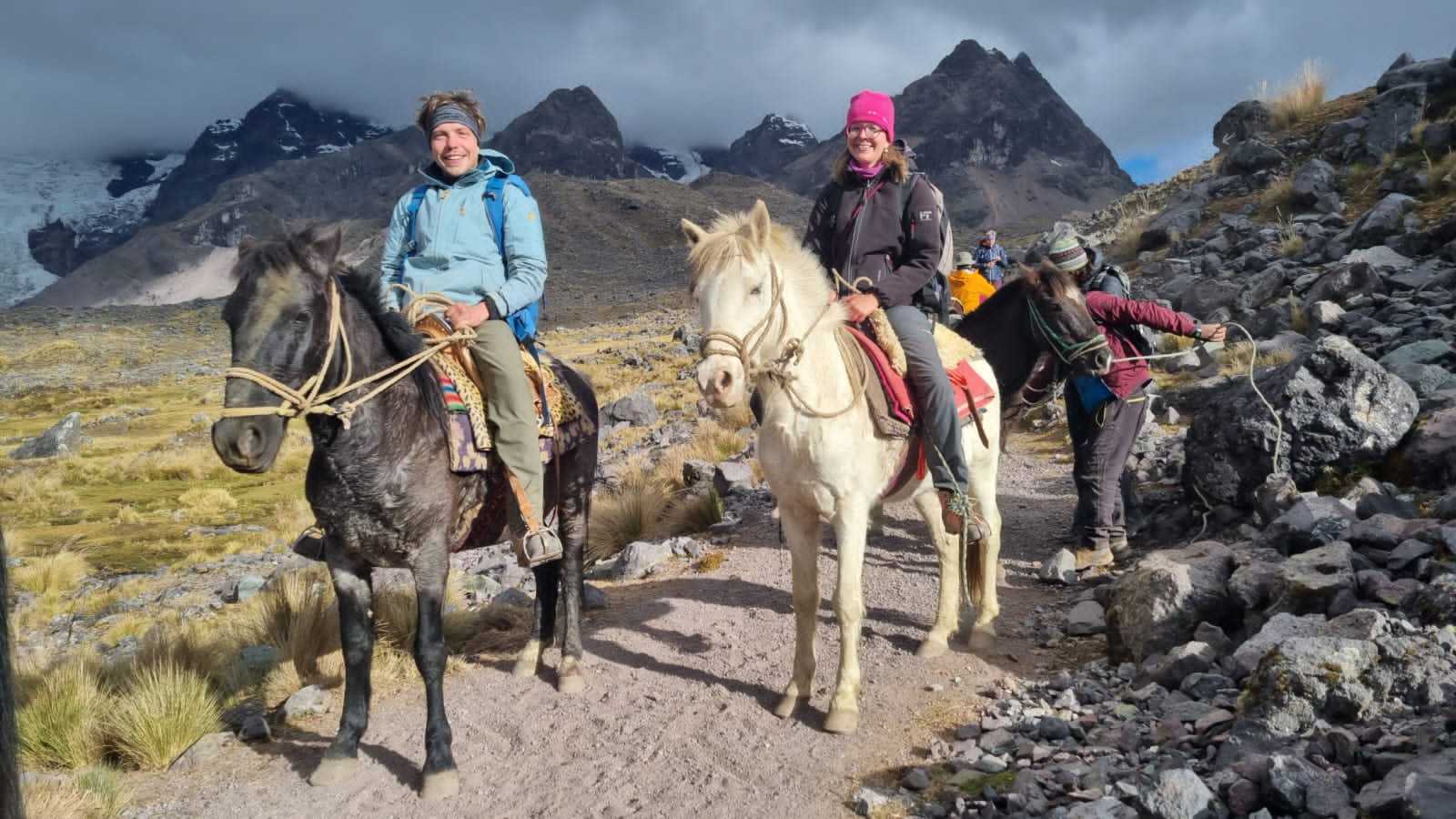
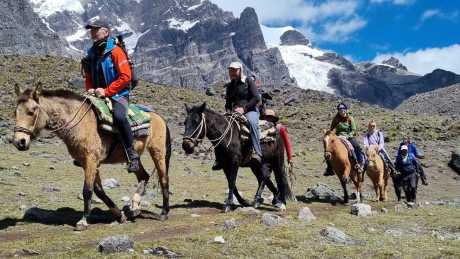
The Ausangate Horseback Trek 5 Days is the best option for travelers who want to explore one of the most impressive routes in the Peruvian Andes without long hikes or extreme physical effort. This tour is designed for those seeking comfort, safety, and a genuine connection with the mountains, following the Ausangate circuit mainly on horseback.
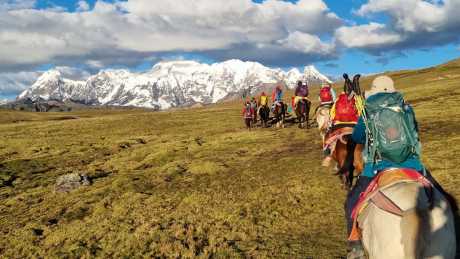
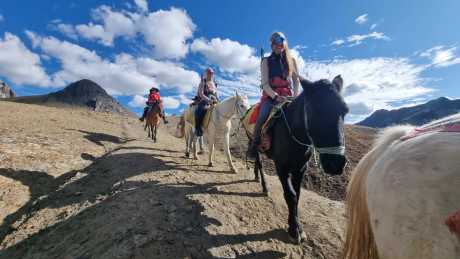
Throughout the route, the journey unfolds at a relaxed and steady pace, allowing you to fully enjoy every landscape. The horses, well adapted to high altitude and Andean terrain, make it possible to gradually ascend high mountain passes such as Palomani and Jampa, overcoming sections that would be demanding on foot but are far more comfortable and controlled on horseback.
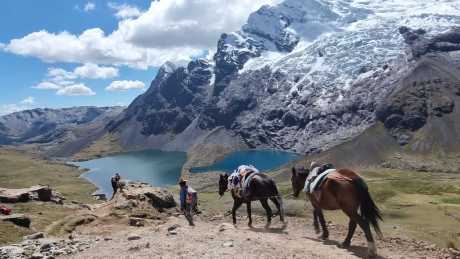
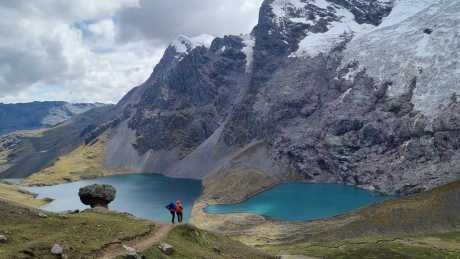
The route crosses wide valleys, glacial lakes, high-altitude plains, and ancient trails that have been used for generations by local communities. Traveling this way not only reduces physical strain but also allows for a deeper connection with nature, the silence of the mountains, and Andean culture.
This Ausangate horseback tour is ideal for travelers looking for an authentic, contemplative, and well-organized experience, without rush or crowds, and accompanied by experienced local guides who know every section of the route.
Pick-up from Cusco at 5:00 a.m. to begin a journey of approximately 3 hours along the Interoceanic Highway to the town of Tinke. From there, we continue ascending for about 20 more minutes to the community of Pacchanta (4,200 m / 13,780 ft).
In Pacchanta, we enjoy breakfast at the company lodge with views of the surrounding snow-capped mountains. Here, horses are assigned, and the guide provides a basic horseback riding briefing, explaining rein handling and safety guidelines.
We then begin our first horseback ride to the Upis campsite, following a trail with gentle ascents and descents through wide high-Andean plains and constant views of Mount Ausangate.
Arrival at the campsite and lunch.
In the afternoon, we take a short horseback ride to Upis Lake, ideal for acclimatization, photography, and enjoying the scenery. Return to camp for dinner and rest.
Breakfast around 6:00 a.m., with departure on horseback at 8:00 a.m. This day we ascend to the Arapa Pass (4,900 m / 16,076 ft), the first high mountain pass of the Ausangate trek. At the summit, we stop for rest and panoramic photos.
We then descend toward the Pucacocha Lakes, where the trail becomes steeper. In this section, it is necessary to dismount and guide the horse on foot, especially when crossing the river flowing from the lakes.
After this section, we resume riding through one of the most beautiful landscapes of the circuit, surrounded by colorful mountains and glacial lakes.
We gradually ascend toward the Ausangate Lake Pass, with views of the glacier, before descending to the Ausangate Lake campsite for lunch.
The afternoon is free to explore Ausangate Lake, relax, and enjoy the surroundings.
This is the most impressive day of the journey. After breakfast, we begin a slow and controlled horseback ascent for approximately 1 hour to reach Palomani Pass (5,200 m / 17,060 ft), the highest point of the Ausangate trek.
At the pass, we rest the horses and enjoy spectacular views of Mount Ausangate and surrounding glaciers, one of the finest natural viewpoints of the route.
The initial descent is done on foot while guiding the horse, until reaching the vicinity of Huchuy Phinaya village. From there, we resume horseback riding to the Surapata campsite.
In the afternoon, free time to relax and enjoy views of the Tres Picos de Acero (Three Steel Peaks), one of Ausangate’s most iconic landscapes.
After breakfast, we start riding around 8:00 a.m., ascending gradually toward Jampa Pass (5,050 m / 16,568 ft). Along the ascent, we enjoy continuous views of mountains such as Pucapunta and Jampa, framing this scenic section of the route.
From the pass, we descend toward the Ninaparayoc campsite, strategically located with panoramic views of the Ausangate 7 Lakes Circuit.
Lunch at the campsite.
In the afternoon, there is an optional walk to visit some of the 7 Lakes, ideal for photography and relaxed exploration.
On the final day, we begin a gentle descent on horseback, passing through the 7 Lakes area, with final views of Mount Ausangate accompanying us for much of the route.
Arrival at Pacchanta, where you have the option to visit the hot springs, perfect for relaxing after the expedition.
After lunch and saying farewell to our horses, we return to Cusco by private transport, with an approximate travel time of 3 hours.
Please note that the following services are not included in the expedition package:
Private tent: For travelers who prefer not to share a tent, available for USD 5.00 per night
(Total: USD 20.00 for 4 nights)
Sleeping bag rental: Available through the agency for USD 5.00 per night
(Total: USD 25.00 for the entire expedition)
- Important: Optional services must be requested in advance to ensure availability. If you have any questions or would like to further personalize your journey, please contact us—we are happy to help make your experience unique and unforgettable.
The Ausangate Horseback Trek 5 Days is available year-round. We recommend traveling between April and September, when weather conditions are more stable and views of the snow-capped mountains and glacial lakes are clearer.
Departures are guaranteed with a minimum of 2 participants.
Note: Prices do not include VAT (18%).
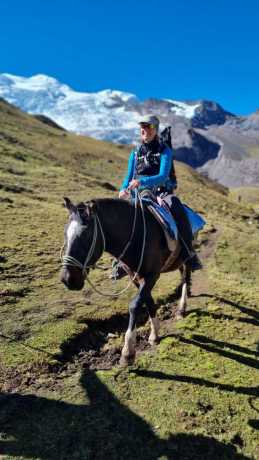
No. The Ausangate Horseback Trek is designed for travelers with no prior riding experience. Before starting the route, the guide provides a basic introduction to horse handling, rein control, and safety rules. The horses are well adapted to high altitude and Andean terrain.
It is not a strenuous trek. Most of the journey is done on horseback, at a relaxed pace. However, a good general fitness level and the ability to adapt to high altitude are required, as the route crosses passes above 5,000 meters, such as Palomani and Jampa.
It is a safe and well-organized tour. We work with certified guides, experienced muleteers, horses trained for high-altitude terrain, a first aid kit, and portable oxygen. Safety and evacuation protocols are in place at all times.
The highest point of the tour is Palomani Pass (approximately 5,200 m / 17,060 ft), the highest pass on the Ausangate circuit. The ascent is done gradually to support proper acclimatization.
Yes, as this is a high-altitude route. We recommend:
The team carries portable oxygen, and the guide is trained to assist if symptoms appear.
Weather in the Ausangate region is highly variable. Days can be sunny, while nights often drop below freezing. The best season is between April and September, when conditions are more stable.
Each traveler may bring up to 7 kg (15 lb) of personal luggage in a duffle bag, carried by pack horses. You will also carry a small daypack during the ride.
Safety is our priority. If a traveler experiences health issues, the guide may:
No. Entrance to the Pacchanta hot springs is optional and paid directly on-site. They are highly recommended for relaxing at the end of the trek.
Yes. We offer rental of:
These services must be requested in advance to ensure availability.
Yes, as long as they are in good health. This is an excellent option for seniors who want to experience Ausangate without strenuous trekking.
To confirm your booking, a 30% deposit of the total tour price is required. The remaining balance must be paid before the tour begins.
This luggage will be carried by pack horses during the trek.
This backpack will be carried by you during the horseback ride.
Departures are guaranteed with a minimum of 2 participants.
If the minimum number is not reached, the client will be offered:
A date change at no additional cost, or
A refund of the deposit, according to the client’s preference.
Cancellations made more than 10 days in advance:
➝ The 30% deposit is non-refundable.
Cancellations made less than 10 days in advance:
➝ No refund applies.
No-show on the day of the tour:
➝ No refund applies.
These conditions apply due to advance logistics, including horse reservations, guides, campsites, and permits.
In the event of extreme weather conditions, road closures, natural disasters, or situations that compromise safety, the agency may:
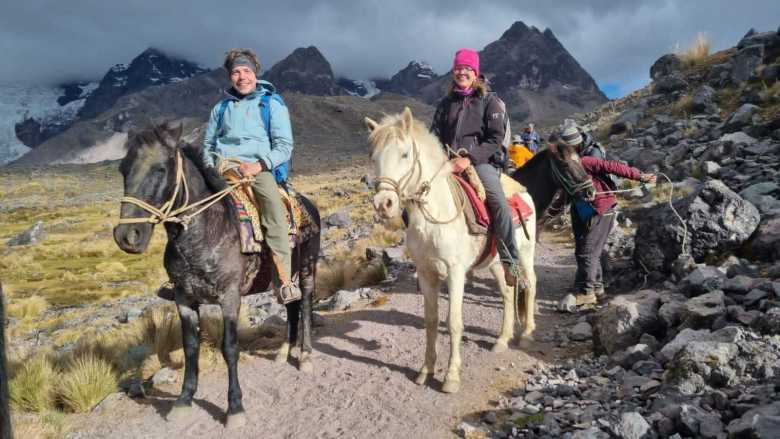
Experience the Ausangate Horseback Trek 5 Days. A scenic route from Cusco via Pacchanta, glacial lakes, and Andean landscapes—no strenuous trekking required.
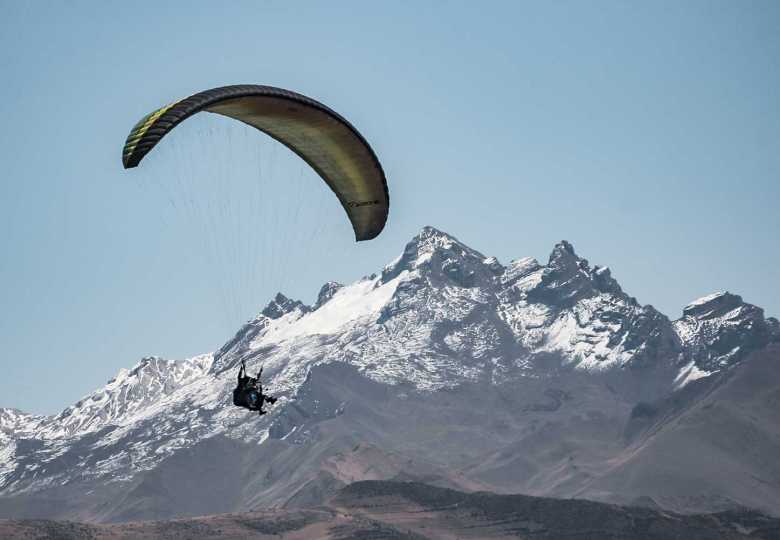
Fly over the Sacred Valley of Cusco on a tandem paragliding flight with professional pilots and enjoy spectacular views of the Andes. Transportation from Cusco included.
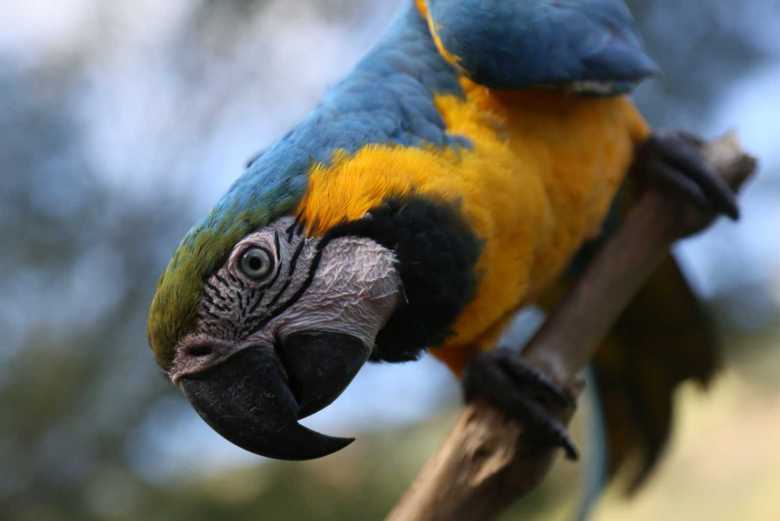
Explore the Manu Reserved Zone in 6 days: wildlife, pristine jungle, lagoons, clay licks, and guided hikes. A unique tour from Cusco into the most biodiverse rainforest in Peru.
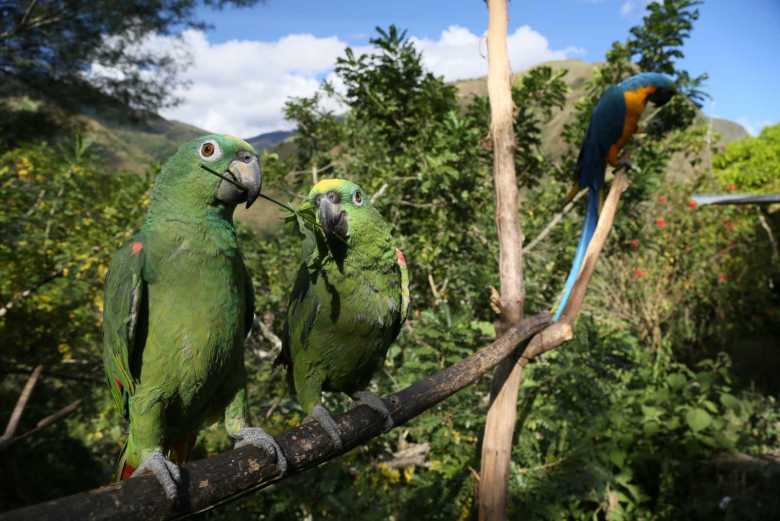
Experience the 4-Day Inca Jungle to Machu Picchu: biking, trekking, zip-lining, and nature. An adventure-filled route from Cusco with guide and entrance tickets included.

Discover Manu's Cultural Zone in a 4-day tour from Cusco. Wildlife, jungle landscapes, and local culture await. Book your Amazon adventure now!
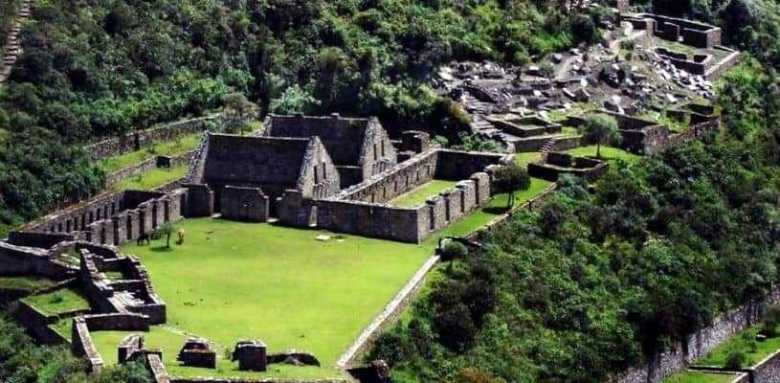
Choquequirao trek is a challenge and a unique experience in the heart of the Andes, you will visit this imposing citadel lost in the jungle.
Experience the Ausangate Horseback Trek 5 Days. A scenic route from Cusco via Pacchanta, glacial lakes, and Andean landscapes—no strenuous trekking required.
Discover Manu's Cultural Zone in a 4-day tour from Cusco. Wildlife, jungle landscapes, and local culture await. Book your Amazon adventure now!
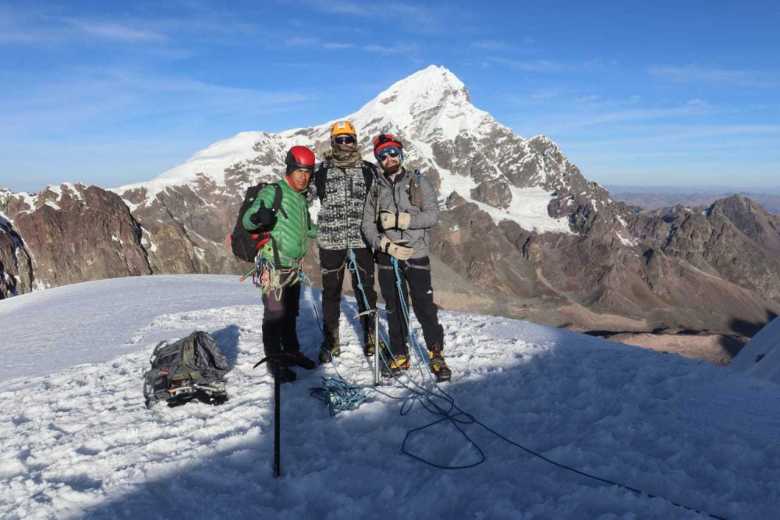
The ascent to Nevado Jampa at 5500 m is an opportunity to scale your first summit while in Cusco. Don't miss this chance!
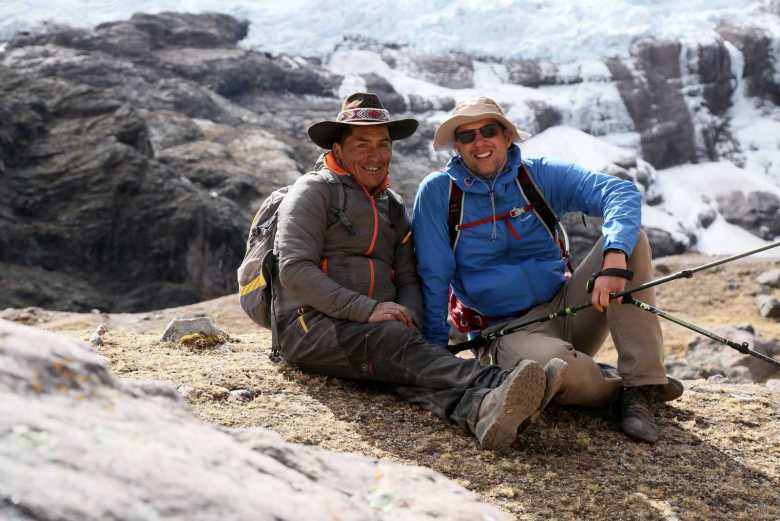
Explore the Ausangate Route and Rainbow Mountain in 5 days. An unforgettable trek through majestic landscapes and vibrant colors in the Peruvian Andes.
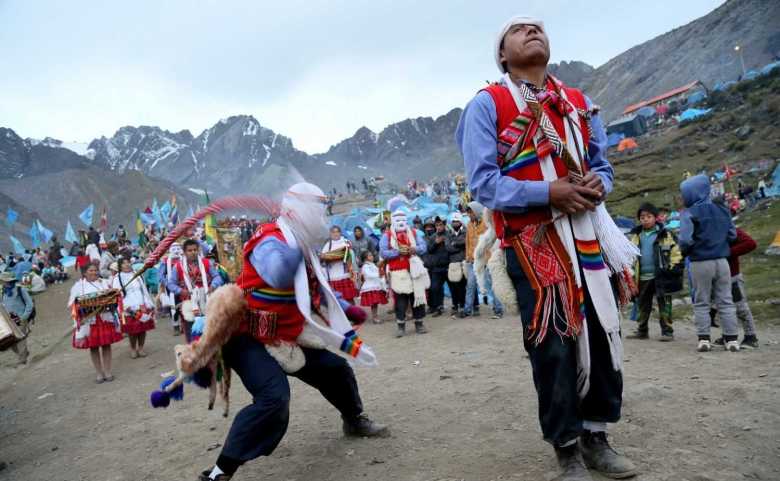
Join the pilgrimage to the Lord of Qoyllority 2025 and live a spiritual experience in the Andes. Discover rituals, dances and Andean faith on this 3 day tour from Cusco, book now!
 Consult an expert
 Chat
Chat