
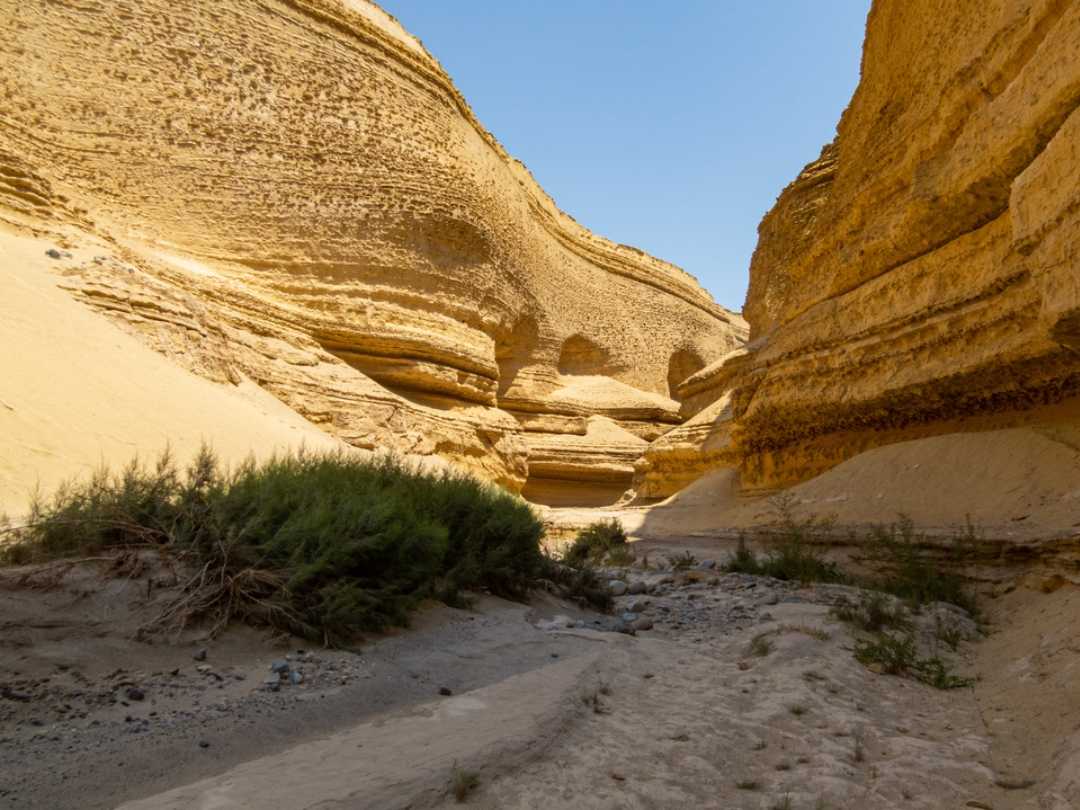
Hidden in the heart of the Ica desert, the Canyon of the Lost (Cañón de los Perdidos) is one of southern Peru’s most striking geological marvels. Although its official discovery is recent, its origins date back millions of years. Today, this natural wonder has become an emerging adventure tourism destination, ideal for travelers seeking unique experiences, geology, and breathtaking desert landscapes.
In this guide, you'll learn everything you need to know about the Canyon of the Lost: its history, how to get there, what to see, what to bring, and why it deserves a place on your next Ica itinerary.
The Canyon of the Lost is a dramatic geological formation located about 89 km south of the city of Ica, in the Ocucaje region. It stretches approximately 5 km (3 miles) with depths reaching up to 300 meters (984 feet). The canyon was carved over time by the ancient flow of the Río Seco, exposing sedimentary rock layers millions of years old.
The name "Canyon of the Lost" originates from a curious event: in 2011, during an expedition led by journalist Maycol Herrera, a group of visitors got lost in the desert. The story aired under the title "El Cañón de los Perdidos" (The Canyon of the Lost), and the name has been associated with the site ever since.
The Canyon of the Lost is in the Santiago district, south of Ica city, within the vast, arid desert of Ocucaje—a region renowned for its stark beauty and extraordinary paleontological heritage. Millions of years ago, this area was part of an ancient seabed. Today, the canyon’s exposed rock layers preserve marine fossils, including shells, fish, mollusks, and primitive whale remains, making Ocucaje one of Peru's most fascinating geological sites.
The canyon remains relatively untouched by mass tourism, preserving its wild and authentic character. However, lack of signage and no mobile phone signal make planning and local guidance essential.
Latitude: -14.8138
Longitude: -75.5169
These coordinates correspond to the main viewpoint, offering stunning panoramic views and serving as the starting point for exploring the canyon’s depths. From here, visitors witness breathtaking rock formations sculpted by millions of years of erosion—a landscape where science, adventure, and awe collide.
Visiting the Canyon of the Lost is an adventure in itself. Situated deep within the remote Ocucaje desert, access requires preparation, endurance for desert conditions, and preferably a 4x4 vehicle. While not easy, the challenge is part of what makes this site one of southern Peru's most pristine, off-the-beaten-path destinations.
Important: There's no cell phone coverage along most of the route. The absence of landmarks makes it easy to get lost, especially without prior knowledge of the area.
Technically, yes—but it is not recommended unless you have experience navigating desert environments, offline maps, a GPS or compass, and a suitable vehicle.
The safest and most practical option is to join a specialized tour from Ica, which includes transportation, guides, and on-site assistance.
Many tour operators in Ica offer excursions to the Canyon of the Lost. Look for packages that include:
If you choose to visit independently, carefully study the route, download offline maps, and inform someone of your travel plans. The canyon’s isolation is part of its charm, but also demands preparation, respect, and responsibility.
The Canyon of the Lost offers a unique blend of adventure, geology, and raw Peruvian desert landscapes—a must-visit for explorers seeking something beyond the ordinary.
The Canyon of the Lost offers much more than an arid landscape—it is a place where geology, natural history, and mystery intertwine to create a unique visual and emotional experience. Every part of the hike reveals ancient formations, vibrant color contrasts, and traces of prehistoric marine life. Here are the main highlights you shouldn’t miss during your visit:
This is undoubtedly one of the most breathtaking spots along the route. From here, you can appreciate the vastness of the canyon in all its splendor. The perfectly defined geological layers reveal millions of years of Earth's history and provide an ideal panoramic view for photography enthusiasts.
At sunset, the light creates dramatic shadows along the canyon walls, enhancing the ochre, reddish, and gray tones of the terrain. It's the perfect place to pause, take a deep breath, and connect with the vastness of the Ocucaje desert.
As you progress along the trail, the canyon narrows, and the towering walls begin to surround you like a natural tunnel. Some canyon walls reach heights of 200 to 300 meters (650 to 985 feet), showcasing vertical erosions, whimsical fissures, and wind-sculpted formations.
In certain sections, you can walk between nearly parallel walls, creating the feeling of being inside a secret passage carved by nature. This area is perfect for observing the sedimentary formations that characterize the Ocucaje fossil desert.
One of the greatest surprises at the Canyon of the Lost is the opportunity to spot marine fossils embedded in the rocks. These remnants are proof that millions of years ago, this region was part of an ancient ocean floor. Fossils commonly found include:
If you visit with a specialized guide, you’ll have a greater chance of identifying these fossils and understanding their scientific value. It's essential not to extract or manipulate fossils, as they are part of Peru’s protected natural heritage.
During certain times of the year, especially after light rains in the highlands or periods of unusual humidity, small seasonal lagoons may form at the canyon floor. These temporary oases attract desert birds like herons and kestrels and can reveal small invertebrates or flora adapted to extreme conditions.
These lagoons reflect the sky and canyon walls like natural mirrors, creating a magical, contrasting landscape in the middle of the arid desert. They’re not always present, but when they appear, they become one of the canyon's most beautiful treasures.
Exploring the interior of the Canyon of the Lost typically takes 1 to 2 hours on foot, depending on your pace, photo stops, and guide explanations. It’s a low to moderate difficulty hike, suitable for people with average fitness levels. Staying hydrated and protected from the sun is essential.
Pro Tip: Many agencies combine this hike with other activities, such as visiting desert viewpoints, fossil sites, or nearby sand dunes for a complete adventure in this lesser-known region of Ica.
The Canyon of the Lost is not only for adventurers—it’s also a fascinating destination for geologists and students. The rock strata reveal millions of years of Earth’s history, and some studies suggest this is one of Peru’s best examples of fluvial erosion in a desert environment.
Its proximity to the famous Ocucaje fossil sites makes it a key stop for geotourism and scientific exploration.
🛈 Total Duration: The entire experience, including travel from Ica and the canyon hike, takes 6 to 8 hours.
The best time to visit the Canyon of the Lost is April to December, when Ica’s weather is dry and stable. During summer (January to March), rain can make access difficult.
Absolutely. Due to the remote location, lack of signage, and challenging terrain, it's safest to visit with a tour operator or local guide. Many tours also include stops at other Ica attractions, such as:
 Consult an expert
 Chat
Chat