
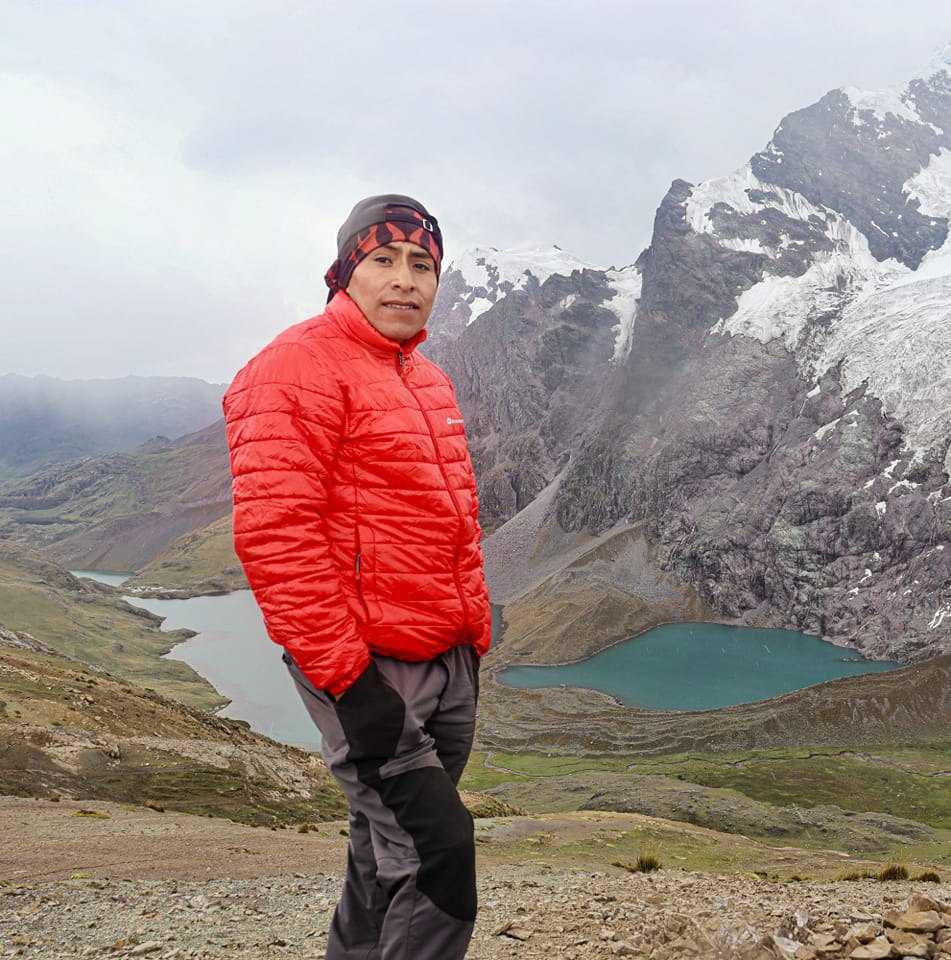
The Ausangate Trek is one of the most breathtaking mountain experiences in southern Peru. It crosses glaciers, turquoise lagoons, Andean communities, and mountain passes above 5,000 meters in elevation. But to fully enjoy this route, there’s one key question every traveler asks before setting out: what clothing should I wear for the Ausangate Trek?
In this guide, we share a complete list of clothing and accessories, along with practical tips, recommended brands, and how to dress in layers to handle the extreme cold, solar radiation, and unpredictable rain that characterize the Peruvian Andes.
Choosing the right clothing for the Ausangate Trek is no minor detail — in fact, it can be the difference between an unforgettable experience and an uncomfortable or even risky trek.
Unlike other popular treks in Peru, such as the Inca Trail or the hike to Laguna 69, the Ausangate Trek takes place entirely in high-mountain zones, without passing through communities with services or nearby urban areas. The route traverses remote regions of the Vilcanota mountain range, at elevations ranging from 3,800 to over 5,100 meters above sea level.
This presents a number of extreme physical and climatic challenges:
During the day, the sun may warm the air, but once the afternoon fades, temperatures can quickly drop to -5°C (23°F) or lower — especially from May to August. Sleeping without proper insulation can lead to hypothermia, discomfort, or poor rest.
In the mountains, everything can change quickly. You might start your hike under intense sun, face icy wind at the summit, and end with sudden drizzle. These changes require an efficient layering system that allows you to adapt quickly to each condition.
On the Ausangate Trek, you might experience all kinds of weather in a single day. The wind at high passes is strong and constant; rain can appear without warning; and the Andean sun at this altitude is extremely intense and can cause sunburn. Snowfall is also possible in some sections, especially during the dry season.
There are no stores, food stalls, traditional accommodations, or medical aid posts along the route — only the campsites organized by tour agencies. This means you cannot afford to forget any essential item of clothing: if you don’t bring it with you, you won’t find it on the trail.
Dressing appropriately for the Ausangate Trek is not about fashion — it’s a necessity for your physical safety, emotional comfort, and hiking performance. A waterproof jacket, quality gloves, or thermal pants can mean the difference between enjoying the landscape or suffering through it.
When you're properly dressed:
That’s why investing in good trekking clothing for Ausangate is investing in your entire experience. Don’t think of it as an expense — it’s a fundamental part of your preparation. The mountain demands it, and you deserve it.
The secret to dressing properly for a high-mountain trek like the Ausangate Trek lies in the layering system. This strategy allows you to regulate body temperature and protect yourself from extreme weather changes in a practical and efficient way.
The system consists of combining different garments and layering them depending on the weather and physical effort. Ideally, each layer serves a specific function and can be easily removed or added without compromising your performance or comfort.
This is the layer that goes directly against your body. Its main function is to keep you dry by wicking away sweat and aiding evaporation. Damp skin in cold temperatures can cause hypothermia, so this layer is essential.
What to bring:
Extra tips:
Recommended brands: Columbia, The North Face, Andina Outdoors, Lippi
This layer acts as thermal insulation. Its goal is to retain the body heat you generate while hiking, without trapping moisture. It’s ideal for chilly mornings, rest stops, or nights at camp.
What to bring:
Practical advice:
Recommended brands: Doite, Patagonia, The North Face, Lippi
This is the layer most exposed to the elements. It serves as a shield against rain, wind, snow, and dust. It doesn’t need to be thick, but it must be waterproof, windproof, and breathable to avoid condensation from sweat.
What to bring:
Important features:
Useful tips:
Recommended brands: Merrell, Columbia, Mountain Gear, The North Face
During the day, you can start with the base and mid layer. If you feel warm while hiking, remove the fleece. When you stop, or if it rains or gets windy, add the outer layer.
Example layering for a typical day:
Here’s a practical guide of garments and accessories with recommended quantities for a 4 to 6-day hike:
Footwear is one of the most important parts of your gear.
Recommended brands: Merrell, Salomon, Lowa, Columbia.
While functionality is the top priority, you can still create stylish and coordinated trekking outfits. Here are some ideas for your mountain look:
In Peru and Latin America, you’ll find several reliable outdoor clothing brands:
If you're in Peru, you can find technical clothing in:
Tip: If you prefer to arrive fully prepared, shop in advance to ensure proper sizes and gear availability.
Yes and no. Both are multi-day high-altitude treks, but:
For Ausangate, you’ll need warmer and more waterproof gear than for the Inca Trail. If you've already done the Inca Trail, you’ll likely need to upgrade your equipment before tackling Ausangate.
 Consult an expert
 Chat
Chat