
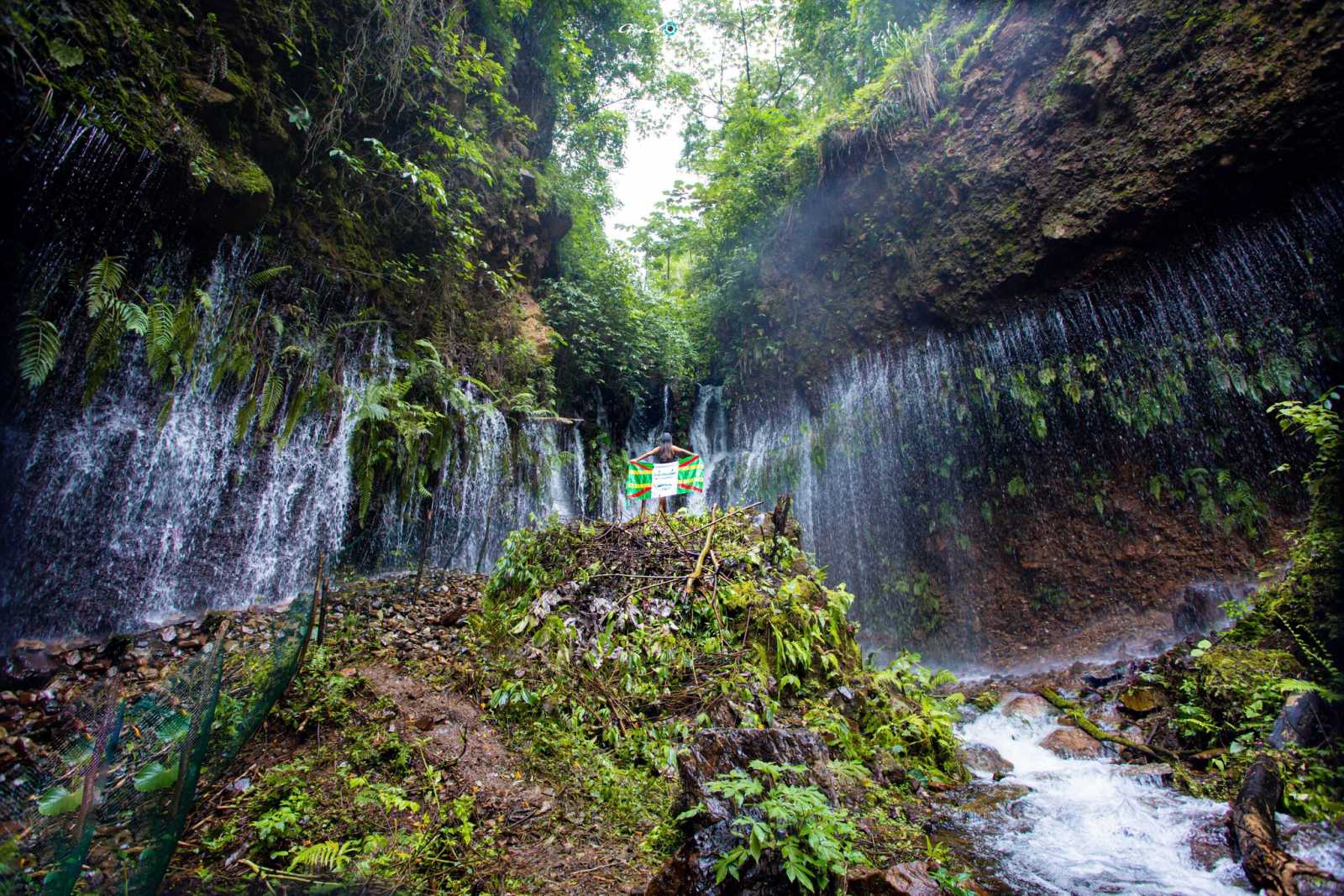
Located in the heart of Cusco’s high jungle, the Huaynapata Waterfalls in Quillabamba are a true hidden gem. This series of cascading falls creates an impressive visual spectacle, where water flows like delicate curtains over rocks surrounded by lush tropical vegetation. Just minutes from the city, it has become a must-see stop for nature lovers, photographers, and eco-tourism enthusiasts.
In this blog, you’ll find everything you need to know: how to get there, when to visit, what to bring, and why this natural wonder is capturing the attention of more travelers each year.
The Huaynapata Waterfalls are a natural formation located in the Condormocco sector, on the outskirts of Quillabamba. Their main attraction is the way the water flows over the rocks, forming fine, crystal-clear sheets that resemble curtains. Surrounded by jungle vegetation, these cascades create a cool microclimate—ideal for enjoying with family, friends, or even solo.
Beyond their scenic beauty, the relaxing sound of falling water and the songs of birds make this a perfect refuge to disconnect from daily routine.
The Huaynapata Waterfalls are just 10–15 minutes by car from downtown Quillabamba, in the province of La Convención, Cusco region. Access is simple, making them a destination you can visit any time of year.
Options for getting there:
Quillabamba enjoys a warm climate year-round, with temperatures ranging between 18°C and 30°C (64°F–86°F). However, the best time to visit is between April and October, during the dry season.
During these months, the waterfalls maintain a steady flow without heavy rains, and the terrain is more stable and safer for walking.
Here’s a practical list to make the most of your trip to the Huaynapata Waterfalls:
Since this site remains a natural space free of mass tourism infrastructure, it’s important to visit with respect and ecological awareness:
Although it is primarily a natural attraction, this site also holds cultural value for local residents. For many, it is a place of spiritual connection with Pachamama (Mother Earth), and it is associated with routes used by local walkers around Quillabamba.
During festive dates or long holidays, locals organize group visits, integration activities, and cleaning campaigns—offering a great opportunity to take part in more authentic, community-based experiences.
 Consult an expert
 Chat
Chat