Por: Huillca Expedition
The Intipunku, or "Sun Gate", is one of the most emblematic symbols of Inca culture. Its importance goes beyond architecture, as these ancient portals served as control points, astronomical observatories, and spiritual gateways connecting the earthly and celestial realms.
There are two major Intipunkus in the Cusco region:
- The Intipunku of Machu Picchu, the iconic entry point for those completing the Inca Trail, offering a key vantage point to admire the lost city of the Incas.
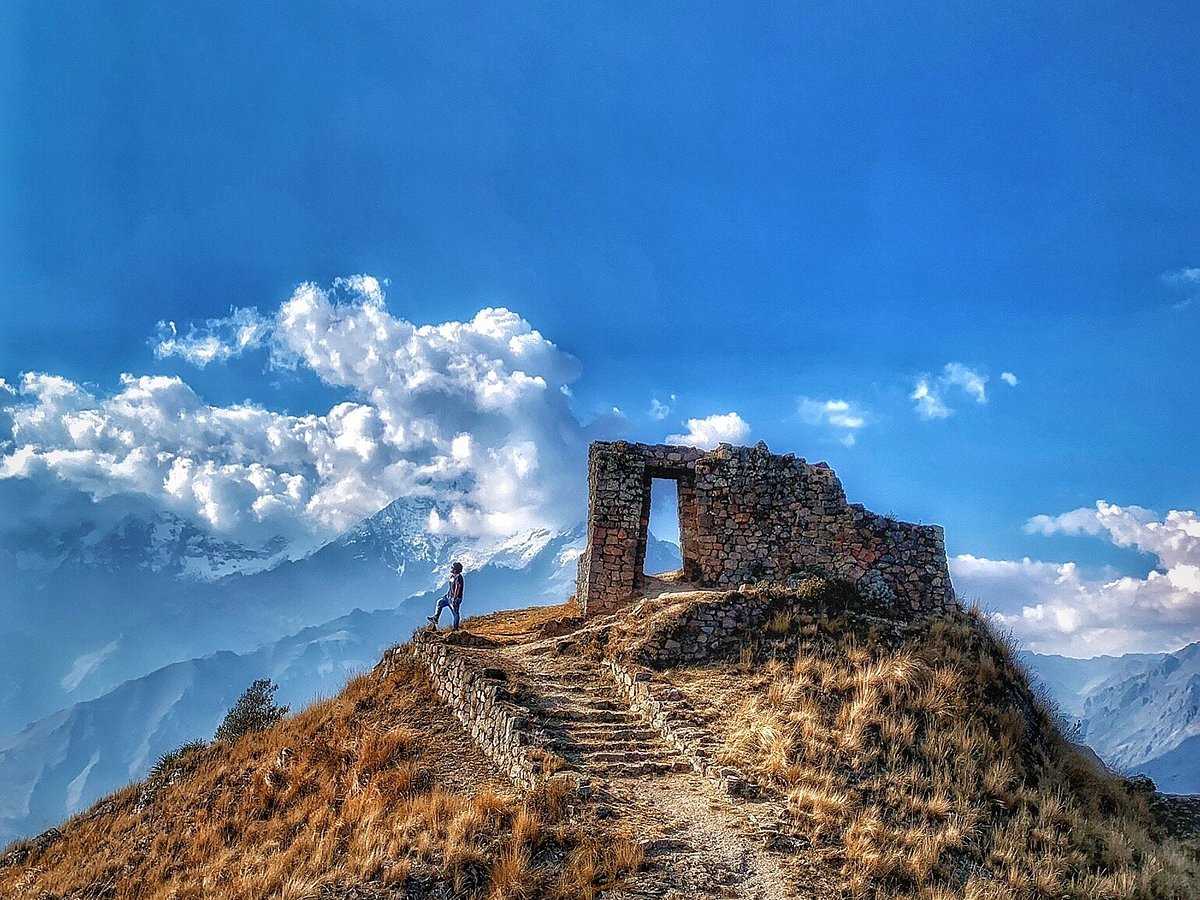
- The Intipunku of Ollantaytambo, a lesser-known but equally fascinating archaeological site linked to solar observation and astronomical alignments with the sacred peaks of the Vilcanota mountain range.
In this guide, we’ll explore the history, spiritual meaning, access routes, and the unique activities you can experience at these mystical Inca sites.
History and Meaning of Intipunku
Inca culture was deeply influenced by the movements of the sun, stars, and other astronomical phenomena. The Intipunkus were strategically located stone structures designed to align with sunlight during solstices, marking significant events in the Inca ceremonial and agricultural calendar.
From these portals, Inca priests and astronomers could observe the sunrise on specific dates, which allowed them to organize festivals such as Inti Raymi and determine key planting and harvest cycles.
The Intipunkus also held profound spiritual meaning. In the Andean worldview, they symbolized an interdimensional gateway, connecting the Kay Pacha (earthly world), Hanan Pacha (world of the gods), and Uku Pacha (underworld).
Intipunku of Ollantaytambo: An Astronomical Portal in the Sacred Valley
The Intipunku of Ollantaytambo is an impressive archaeological site located at 3,900 meters (12,795 feet) above sea level, on the slopes of the Kachi Qhata sector. This Sun Gate functioned not only as an access point and lookout but also played a crucial role as an astronomical observatory.
Astronomical Alignments and the Winter Solstice
From this location, the Incas could align the Intipunku with:
- The Pleiades constellation (Qollqa Inca), used as an agricultural reference.
- The Veronica Snow-Capped Peak (Waqaywillki), revered as a sacred Apu (mountain deity).
- The Winter Solstice (June 21), when the rising sun passes perfectly through the portal, illuminating its interior.
This astronomical event is a testament to the Incas' advanced knowledge of the cosmos, light, and functional architecture.
How to Get to the Intipunku of Ollantaytambo
The site is located 9 km (5.5 miles) from Ollantaytambo, with two main routes available:
Route 1: Cusco – Ollantaytambo – Intipunku
- Take a minivan from Cusco (Pavitos Street) to Ollantaytambo (approx. 2 hours).
- From Ollantaytambo, begin a 9 km trek to the Intipunku.
- The hike takes about 5 hours uphill, with stunning views of the Sacred Valley throughout.
Route 2: Cusco – Ollantaytambo – Kachi Qhata – Intipunku
- Take a minivan from Cusco to Ollantaytambo.
- From Ollantaytambo, travel by taxi or private vehicle to Kachi Qhata.
- From Kachi Qhata, it's a 6 km hike (approx. 3 hours) to the Intipunku.
Both routes offer impressive vistas of snow-capped peaks, Inca terraces, and dramatic rock formations.
Intipunku of Machu Picchu: The Sacred Entrance to the Inca Citadel
The Intipunku of Machu Picchu is the ancient gateway to the citadel for those arriving via the Inca Trail. Its significance lies in the fact that, from this viewpoint, travelers get their first panoramic view of Machu Picchu, much like the Inca elite did centuries ago.
This Sun Gate offers a unique moment of arrival, filled with spiritual and cultural symbolism, marking the completion of the legendary pilgrimage along the Inca Trail.
Routes to Reach the Intipunku of Machu Picchu
There are two ways to visit this iconic Sun Gate:
1. Route from Machu Picchu (Optional 2 km Hike)
- The hike starts from the main entrance to Machu Picchu.
- Follow a 2 km ascending trail through ancient Inca agricultural terraces.
- The hike takes approximately 45 minutes to 1 hour.
Note: This trail is open to the public but is not included in standard guided tours of Machu Picchu.
2. Inca Trail Route (2 or 4-Day Trek)
- The classic 4-day Inca Trail starts at Kilometer 82, covering 39 km through archaeological sites like Wiñayhuayna.
- The short Inca Trail, lasting 2 days, starts at Kilometer 104 and covers 12 km to Machu Picchu.
- Both routes culminate with the arrival at Machu Picchu through the Intipunku, recreating the experience of ancient Inca travelers.
Activities at the Intipunku of Machu Picchu
- Experience the Inca Trail: Walk in the footsteps of the Incas along the original trails that led to the sacred citadel.
- Panoramic Photography: The Intipunku offers one of the best viewpoints to photograph Machu Picchu, the Urubamba River, and Huayna Picchu Mountain.
- Birdwatching: This area is home to species such as the Andean Cock-of-the-Rock, Chestnut-breasted Hummingbird, and colorful tanagers.
Tips for Visiting the Intipunkus
- Recommended Season: May to October (dry season) to avoid heavy rains.
- Appropriate Clothing: Bring waterproof layers, windbreakers, and trekking shoes.
- Hydration: Carry enough water and high-energy snacks.
- Respect the Heritage: Do not touch or alter Inca structures. Preserve the archaeological integrity of these sacred sites.

 Consult an expert
 Chat
Chat