
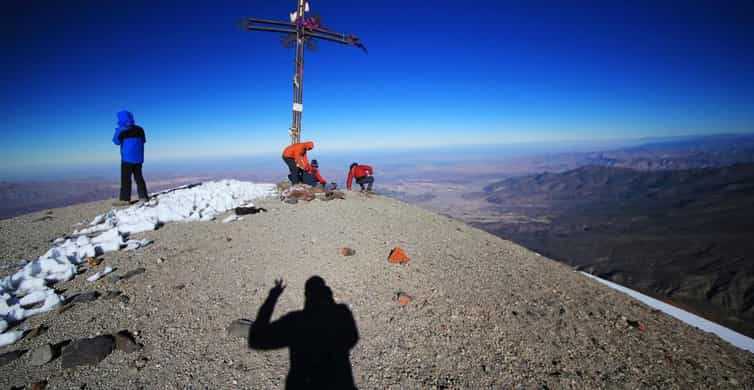
Misti Volcano, with its impressive conical silhouette and dominant presence over the city of Arequipa, is one of the most iconic destinations in southern Peru. Standing at 5,825 meters above sea level, it offers a unique experience for trekking and mountaineering enthusiasts: a challenging yet accessible ascent, surrounded by volcanic landscapes, high-altitude desert, and spectacular views of the "White City."
Climbing Misti is not only a physical feat but also a deep encounter with nature and Andean culture. In this complete guide, we’ll show you everything you need to plan your adventure: ascent routes, best time to climb, acclimatization tips, recommended gear, and more.
Misti Volcano is located just a few kilometers from the city of Arequipa, in southern Peru. It is part of the impressive volcanic belt that surrounds the region, along with Chachani and Pichu Pichu, and it’s visible from almost anywhere in the city—an unmistakable geographic, cultural, and spiritual landmark.
Most expeditions to Misti depart directly from Arequipa, where several specialized agencies offer transport, certified guides, and full logistical support. Access to the starting point of the trek is by road, usually in a 4x4 vehicle.
This is the most popular and frequently used route. It starts at 3,400 m.a.s.l. and offers a gradual ascent through volcanic sand and rocky terrain. Ideal for those looking for a more direct and well-marked trail.
Less trafficked, this route starts from the Salinas and Aguada Blanca National Reserve. It provides a more solitary environment with spectacular views of the high plateau and the Aguada Blanca reservoir. However, it is longer and demands greater physical endurance.
Important recommendation: Due to the altitude, demanding terrain, and unpredictable weather, it is strongly advised to hire a certified mountain guide. This ensures greater safety and a better-organized expedition in terms of time, meals, and rest.
The best time to climb Misti is during the dry season, from April to November, when weather conditions are more stable and predictable.
Climbing Misti is a challenging yet rewarding experience, ideal for those seeking their first major high-altitude adventure. Below is the classic 2-day itinerary with everything you need to plan this unforgettable journey:
Climbing Misti is economically accessible, with options for both independent travelers and those who prefer organized tours. Below is a breakdown of typical expenses:
Entry to Salinas and Aguada Blanca National Reserve: S/ 10 – 20 per person (approx. USD 3 – 5)
This fee is paid at the checkpoint or included in some tour packages.
| Option | Estimated Cost | Includes |
| With agency | USD 150 – 200 | All-inclusive: guide, transport, meals, equipment |
| Self-guided | USD 100 – 150 | Varies depending on rentals, transport, and fees |
Final Tip: While it’s possible to organize the climb independently, going with a professional agency ensures greater safety, streamlined logistics, and expert support—especially if you lack experience in high-altitude trekking or don’t have your own gear.
Live one of the most intense mountaineering experiences in Peru. Climb the majestic Misti Volcano (5,825 m) with certified guides, 4x4 transport, meals, and all the necessary gear. Book your Misti Volcano Climb now and reach the summit of Arequipa safely and confidently.
To get the most out of this high-altitude experience, proper preparation is essential. Here are some key recommendations:
Spend at least 2 days in Arequipa before your ascent to help your body adjust to the altitude. If possible, take preparatory hikes to high-altitude areas like Colca Valley, Pichu Pichu, or Chachani to improve your performance and reduce the risk of altitude sickness.
Stay well hydrated before, during, and after the climb. Bring at least 3 liters of water, and eat light, energy-rich foods (e.g., nuts, energy bars, dark chocolate) that are easy to digest and maintain your stamina.
Although Misti doesn't require technical skills, it does demand good physical endurance. Prepare by doing long hikes, cardio workouts, and—if possible—altitude training. A consistent routine will make a significant difference.
Always climb with a certified mountain guide. Guides know the route, manage emergencies, and ensure a safer, well-organized experience. Also, check the weather forecast before departure and avoid climbing if storms or high winds are expected.
Misti is part of a fragile ecosystem. Leave no trash, avoid disturbing the native flora, and maintain a respectful attitude. Every step on the mountain is also a commitment to preserving its natural and cultural heritage.
Climbing Misti Volcano is much more than reaching a summit—it's an adventure that blends physical challenge, spiritual connection, and cultural discovery. From its 5,825-meter peak, the sunrise reveals an unmatched panorama of Arequipa, the mighty Andes, and the vast Peruvian Altiplano.
Beyond the views, Misti holds deep history, ancestral significance, and volcanic energy. Reaching the top allows you to connect with nature, test your limits, and experience a unique sense of achievement. Without a doubt, it's one of the most memorable experiences you can live in southern Peru.
Technical experience is not required, but good physical condition is essential. The ascent involves several hours of hiking at high altitude, so it’s important to be fit and properly acclimatized.
It’s not legally required, but it is highly recommended. A certified guide ensures greater safety, route orientation, and support in case of emergencies. In addition, most agencies include gear and logistics in their service packages.
The standard expedition takes 2 days and 1 night:
Day 1: 4 to 6-hour hike to the base camp (4,500 m.a.s.l.)
Day 2: Early morning ascent (5 to 7 hours) and same-day descent (3 to 5 hours)
The dry season, from May to September, is the most recommended. During these months, the weather is stable, with clear skies and lower risk of rain or snow. Avoid the rainy season from December to March.
You’ll need mountain clothing for cold weather, trekking boots, a backpack, headlamp, gloves, hat, sunscreen, sleeping bag, and at least 3 liters of water. If you book a tour, most agencies will provide a tent, trekking poles, and basic gear.
The summit reaches 5,825 meters above sea level. The main risk is altitude sickness, so proper acclimatization is crucial. Physical exhaustion is also a concern if you're not adequately prepared.
No, the base camp is completely rustic with no facilities. It’s recommended to bring waste bags and toilet paper, and to follow Leave No Trace principles to minimize environmental impact.
Yes, Arequipa has shops and agencies where you can rent trekking boots, sleeping bags, backpacks, poles, headlamps, and other essential items for the climb.
 Consult an expert
 Chat
Chat